
Living In Purpose: A Conversation with Stephanie Flores
A veteran, mother, and advocate on what it means to keep showing up and live in purpose
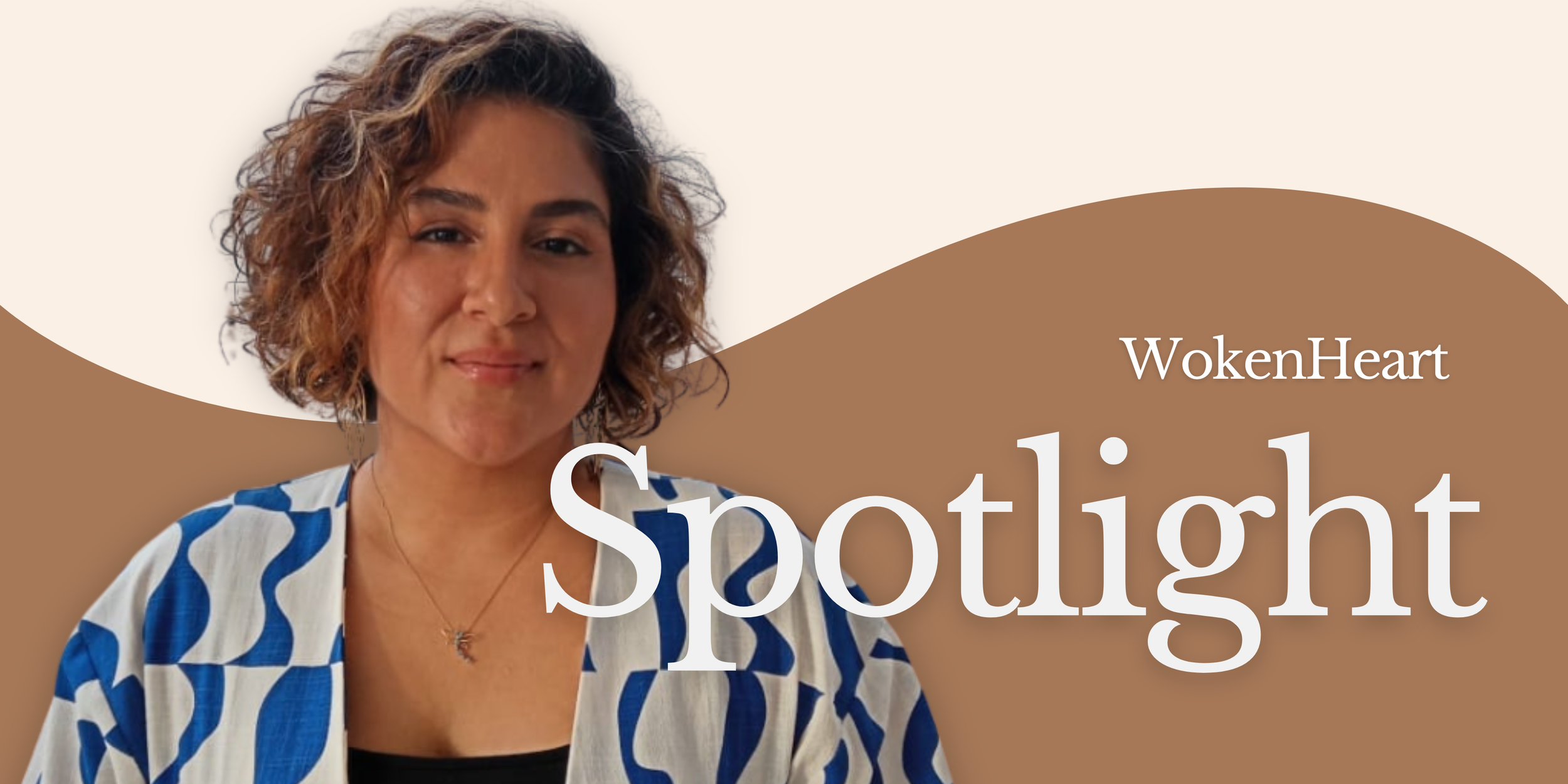
"We're always living in purpose. Everything that happens in our life is not a coincidence."
I've known Stephanie for over a decade, and even through a screen, I can tell when she's about to say something that's going to stop me in my tracks.
What I admire about Stephanie is that she's real. She embodies a fullness and depth that's rare to find. So when we kicked off our conversation, we immediately transcended surface and got to the matter at heart. Like really talking. The kind of talking where you lose track of time because you're both saying the things that matter most.
She just told me about the day before. About the phone call from her surgical team setting the date for her double mastectomy. About going upstairs to the laundry room and finally letting herself cry.
"I was like, 'I'm going through a really big thing,'" she said. "This has been a really fucking hard eight months. Six months of chemo. Being away from the love of my life, my family, my land. My life completely changed."
And then she paused.
"But you know what? I had to give myself permission to feel that. To not be strong all the time."
That's Stephanie. Fierce as hell. And finally learning that vulnerability isn't weakness.
The Girl Who Couldn't Look Away
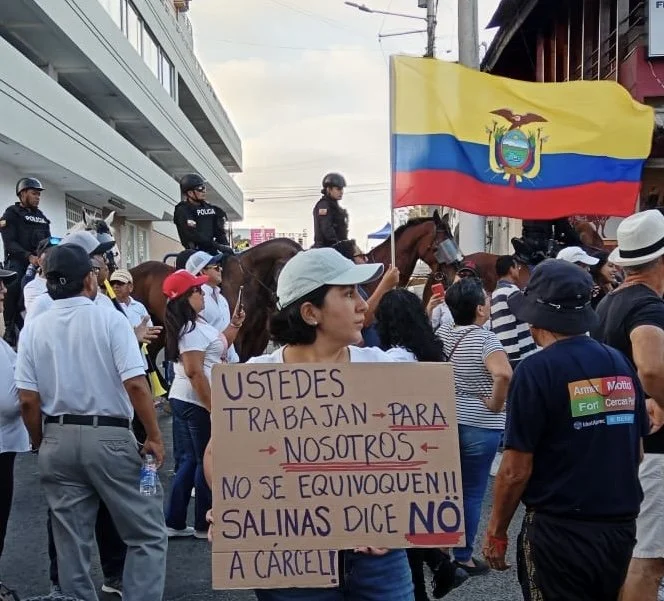
Stephanie grew up in Guayaquil, Ecuador, in a house full of women doing everything they could to survive. Her mom worked two jobs. Her grandma and aunt filled in the gaps. They moved every single year because landlords would raise the rent and her mom would have to find something cheaper. Stephanie would make friends, then leave.
But she also had a village. Her best friend since she was 10 (still her best friend today). Neighbors who'd hand her a bowl of soup without asking questions. A church that felt like a second home.
"I wouldn't be the person I am without all the people who came into my life," she told me.
That village taught her something else, too. It taught her to see people. To notice who was struggling. To do something about it when she could.
Even as a kid, she couldn't unsee injustice. She was 12 when it happened. Her mom had just gotten a promotion, finally, a little extra money. They decided to go out to eat. Nothing fancy, just a local restaurant. But for them, it was everything.
As they walked in, Stephanie saw an indigenous woman sitting outside with a little girl.
They went inside. Ordered. Started eating but Stephanie couldn't shake it.
"I was like, 'Why is this lady just sitting there? Why is she not inside eating?'"
So she asked her mom if she could borrow money. Her mom hesitated, that survival instinct kicking in, that scarcity mentality that said if you give something away, there won't be enough left. But Stephanie insisted. She said she'd skip lunch for days if she had to, just pay her back.
She bought the woman a plate, went outside and handed it to her.
"I asked if she wanted to come inside," Stephanie said. "She told me, 'No, I don't have shoes. They don't let me in.'"
That moment planted a seed that would bloom into everything she does now. Climate justice. Human rights. Community organizing. Advocacy work that spans continents.
But it also planted something else, the understanding that the world isn't fair and that you can either look away, or you can do something about it.
By 13, she was working. By 14, she was the head of household. Let that sit for a second. Fourteen years old. Head of household.
The Military Taught Her What NOT to Do
At 19, Stephanie joined the U.S. Navy. She was a brand new immigrant. Didn't speak English. Did everything they told her to do.
Including dumping toxic chemicals into the ocean.
"During drills, they would just tell us to wash it off into the water," she said. "I didn't question it. I was 19. I didn't know."
Years later, when she got involved in climate justice work, she learned the truth: the U.S. military is one of the biggest contributors to ocean contamination in the world.
"That's another dimension of my identity," she said. "Every experience brings a different perspective."
And here's what I love about Stephanie—she doesn't just sit with that guilt, she transforms it. She takes what she learned, even the painful parts, and turns it into fuel for the work she does now.
"A lot of people who don't empathize when others are suffering, it's because they haven't experienced it," she said. "That's why I'm a huge proponent for policymakers to have lived experience in whatever they're doing. If you've never had to work, how can you make decisions for working people?"
I asked her what keeps her grounded when the world feels heavy.
"Community," she said without hesitation. "Community has always been what keeps me grounded."
And then she told me about Mila.
The Mother She Decided to Be
Stephanie's daughter Mila is 13 now. A brilliant and beautiful Afro-Ecuadorian, navigating a world that doesn't always make space for her. In the U.S., Mila attended three different schools, and at each one, she was targeted. One kid cut her hair, saying "she looked crazy with that hair." Another put sand and sticks in her afro. There were constant comments about her hair, her skin, her very presence. It was all a stark reminder that blackness is seldom embraced and welcomed.
At one school, when Stephanie brought it up to the principal, the woman smirked.
"She said, 'Kids are just being kids.'"
Stephanie's response was immediate and visceral. Everything in her wanted to fight back. But then her brain kicked in. She had to think about Mila. About what would happen if she lost control and more importantly, about where she actually had control.
Racism was one of the big reasons they moved to Ecuador in 2021.
"Anti-blackness is a global issue," Stephanie said. "But in Ecuador, being American sometimes superseded Mila's blackness. The fact that she spoke English made her the cool girl in school from day one."
Still, there's a cost. There's no representation. All of Mila's friends have long, straight black hair. Now Mila wants straight hair too.
I asked how she handles that.
"We negotiate," she said. "I explain that those chemicals are harsh. So we do braids with extensions instead. We find middle ground."
But here's what gets me: Stephanie parents Mila the complete opposite of how she was raised.
Growing up, punishment in her house was physical. It was what her mom knew, what had been passed down.
"I told myself, why would I hurt the person I love the most?" she said. "Rule number one for me is that I will not punish my child. If I want to discipline her, that's not the same as hitting her. That's not discipline. That's punishment."
She took parenting classes when she was pregnant. Read countless books. Told herself she wanted to treat Mila like a full human from day one.
And when Stephanie was diagnosed with cancer, she told Mila everything.
"A lot of people said, 'Don't tell her. Don't worry her,'" Stephanie said. "But she's part of my life. She needs to be informed. I'm always honest with her."
That's the thing about Stephanie. She doesn't hide. She doesn't perform. She shows up as exactly who she is, even when it's hard.
What Cancer Taught Her About Being Human
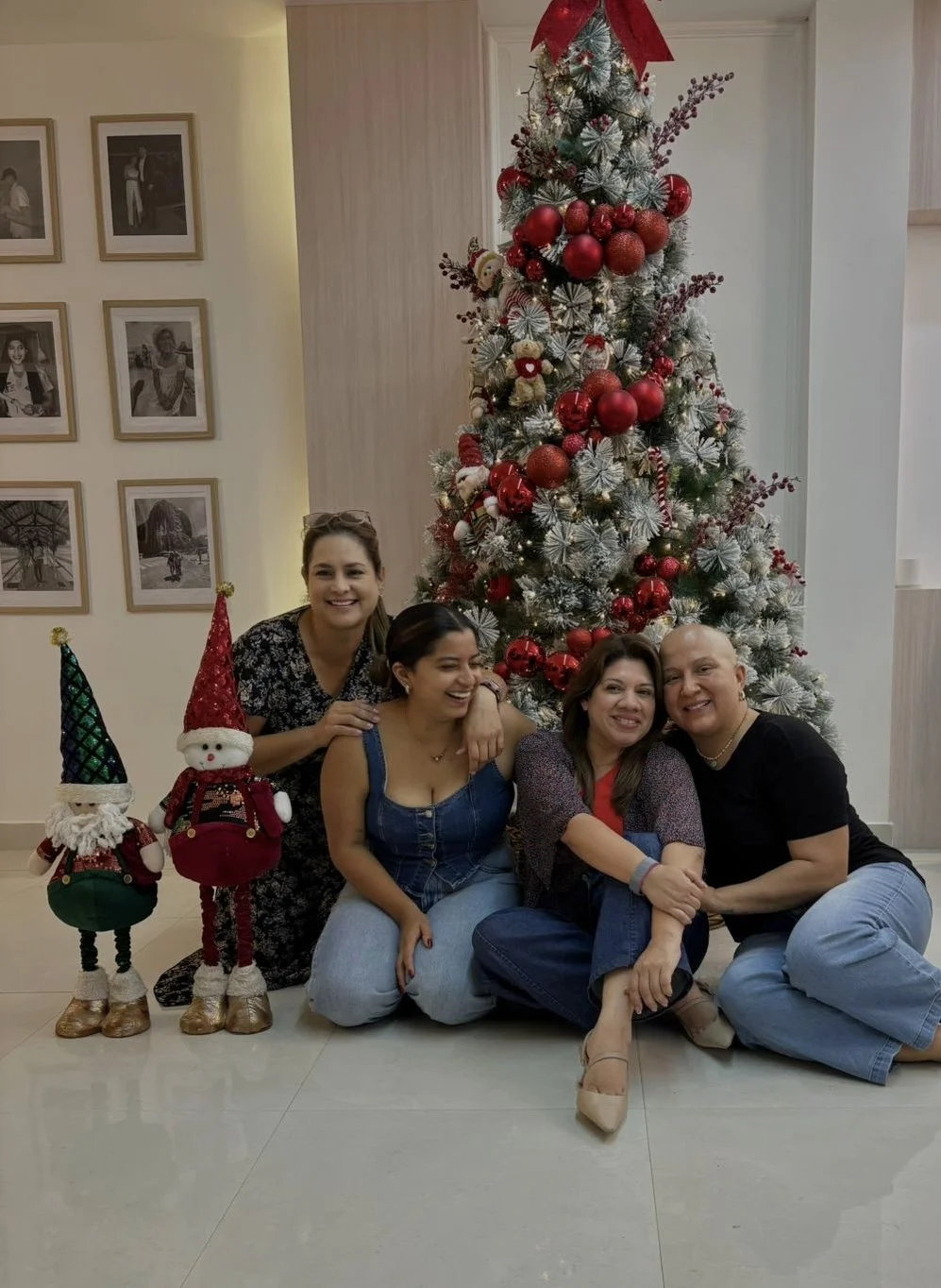
Stephanie doesn't like to dump her problems on people. She's one of those who will isolate, heal, and come back like, "Okay, I'm good."
Cancer didn't give her that option.
"I've had to let people in," she said. "And community has shown up in ways I didn't expect." People she hadn't talked to in years sent packages. People she didn't think she was that close to showed up.
But the biggest lesson?
Learning to give herself permission to feel everything like the fear, discomfort, and sheer exhaustion. The grief of watching her body change. The weight of six months of chemo, being away from her family, her land, the life she built in Ecuador.
After she cried, she spent the rest of the day doing something she rarely does, taking care of herself. Not rushing to fix things or power through. Just being gentle with herself for once.
"I gave myself the space to feel and make myself feel better," she said.
When I asked her about three things that have gotten her through this, she said, “community, nature, and attitude.”
While simple, it rings powerful and true.
Stop Searching. Start Living.
Toward the end of our conversation, I asked what living a purposeful life means to her right now.
She sat with the question. And then she said something that gave me goosebumps.
"As a young adult, I was always like, 'I want to find out what my purpose is, and I want to fulfill it.' But we lose so much time trying to figure out what our purpose is when we're always living in purpose. Everything that happens in our life is not a coincidence."
I had to let that breathe for a second.
"We've been sold this idea, and this is part of capitalism, that we have to find our purpose and then go fulfill it. So we get degrees, we get jobs, we link it all to productivity. But we're purposeful beings just by being here. Our purpose is being here."
She continued: "When I was at ODU, I was always asking, 'What is my purpose in life?' But I lost so much time trying to figure it out instead of just living it."
We're always living in purpose.
Read that again. You're not behind. You're not missing something. You're not supposed to have it all figured out by now.
What Comes Next
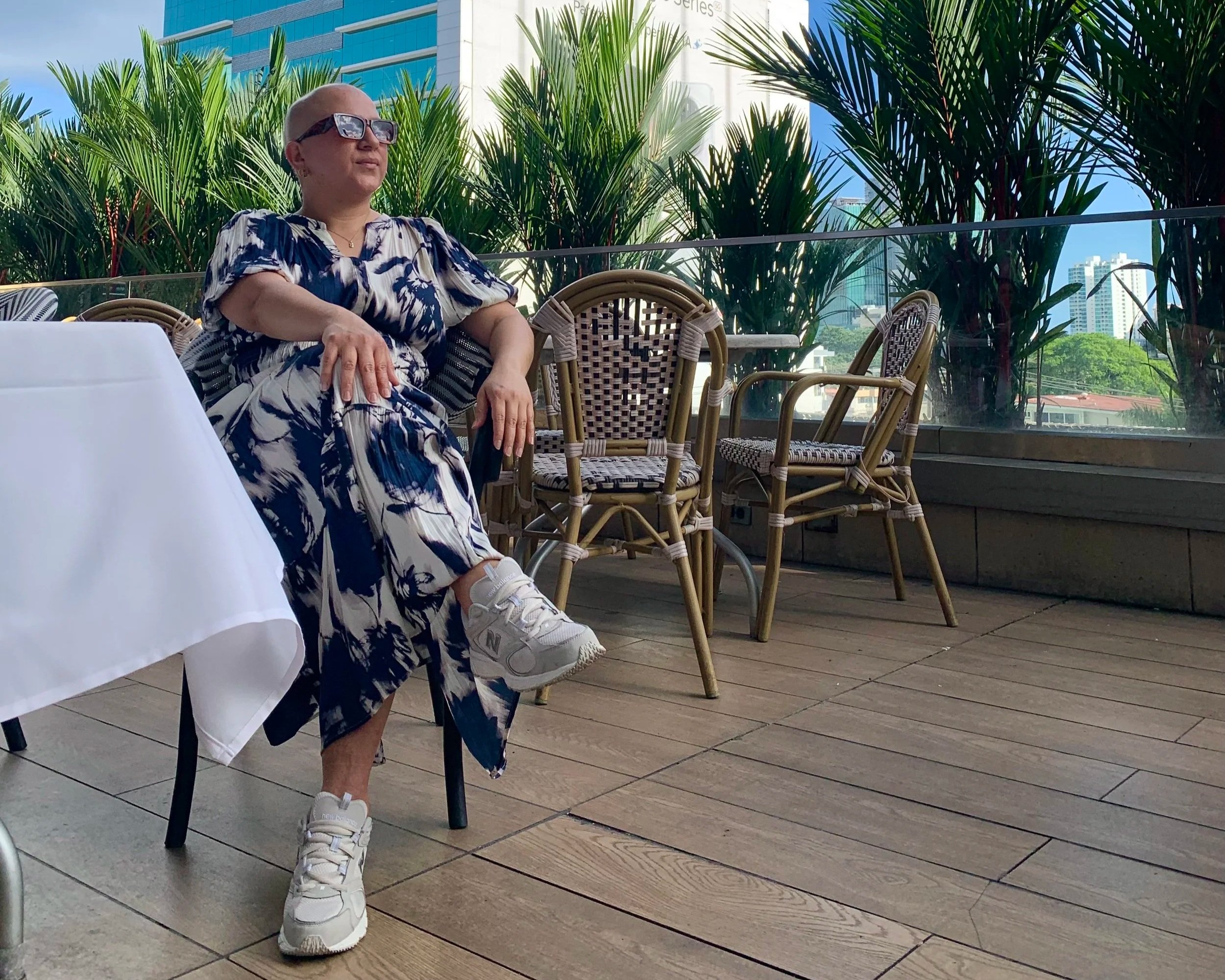
After treatment, Stephanie plans to go back to Ecuador. She wants to create a center for young girls—a space focused on advocacy, civic empowerment, and giving them the tools to advocate for themselves and their communities.
"Our parents weren't raised that way," she said. "So somewhere, you have to hear it. And you have to see it."
When I asked what gives her hope, she didn't hesitate.
"Community. What we're seeing with immigrant communities, people who might not know the person getting dragged out of their car, but they're still showing up. That's community."
If she could leave you with one call to action?
"Build community. Be intentional about building community."
Rapid Fire
A ritual that grounds you:
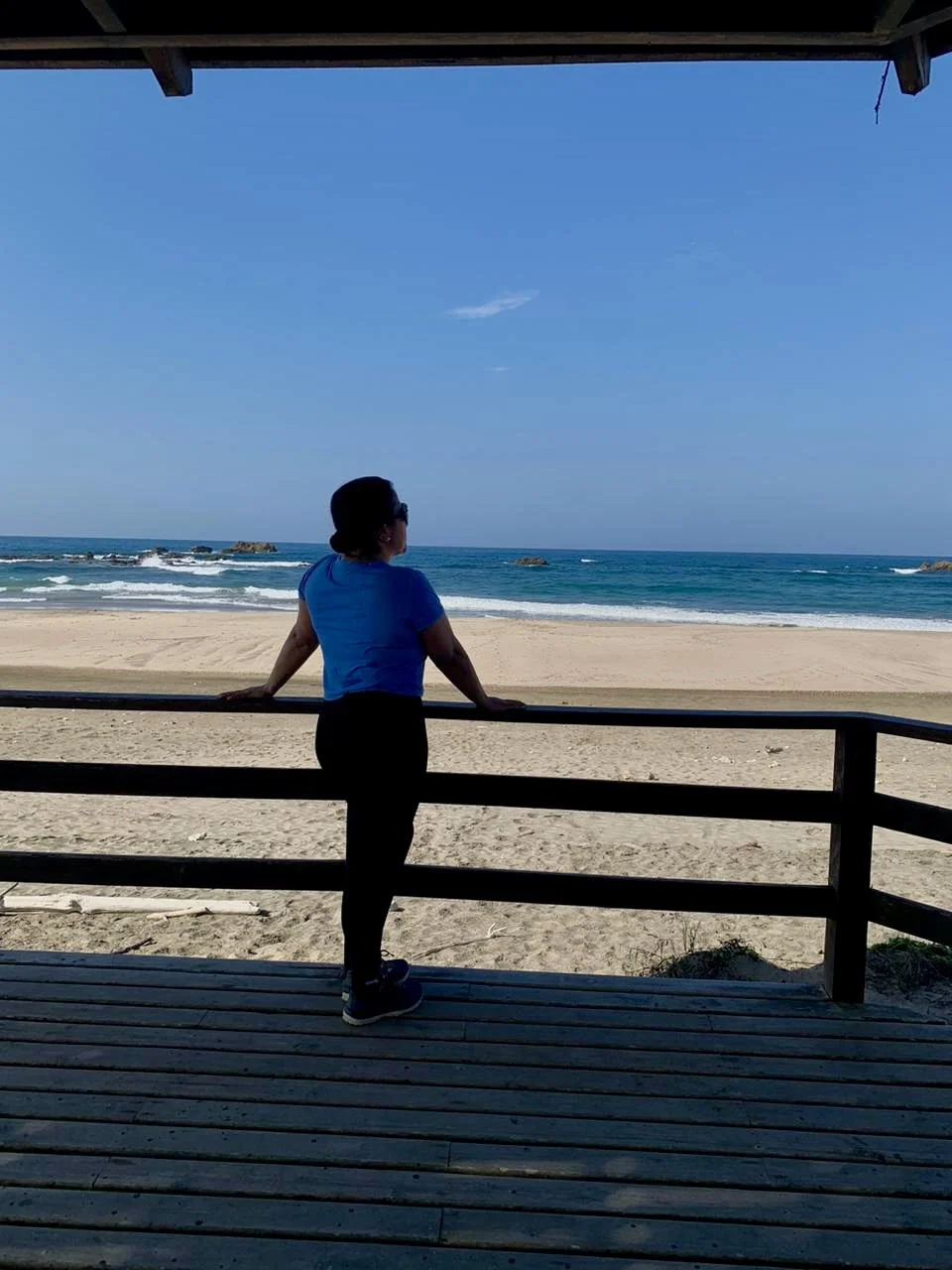
"Going out in nature." In fact, Stephanie's belief in the healing power of nature runs so deep that she spoke to CBS17 about protecting green spaces for mental health and community wellbeing.
A book that shaped your worldview:
The Farming of Bones by Edwidge Danticat. "It's about the Parsley Massacre in 1937. It was my first time learning about colonization, slavery, lynching, Jim Crow. I finished reading it and sobbed in the shower."
One thing that always makes you feel like yourself:
"Dancing and Ecuadorian food. Put on some Spanish music, make myself a good meal, and just move. That's when I feel most like myself. It all brings me back home."
How do you want to be remembered:
"Someone who always lived with integrity. If I'm saying something and I don't live it, then what am I doing? I want to walk the talk."
What I'm Taking With Me
Stephanie has every reason to be cynical. To shut down. To protect herself from a world that has demanded so much from her since she was 14 years old.
But instead, she's still fighting. Still advocating. Still refusing to look away. She's letting her community see her vulnerability. She's dancing in her kitchen to Spanish music and calling it healing.
That's not naivety. That's courage.
The biggest lesson Stephanie taught me is that we're already living in purpose. We don't have to wait until we're healed, or whole, or have it all figured out. The work is happening right now in how we parent, in who we let in, in whether we choose to look away or do something about what we see.
And maybe the most radical thing she's doing is giving herself permission to be human. That's the kind of wisdom you can only learn from doing the work, not reading about it.
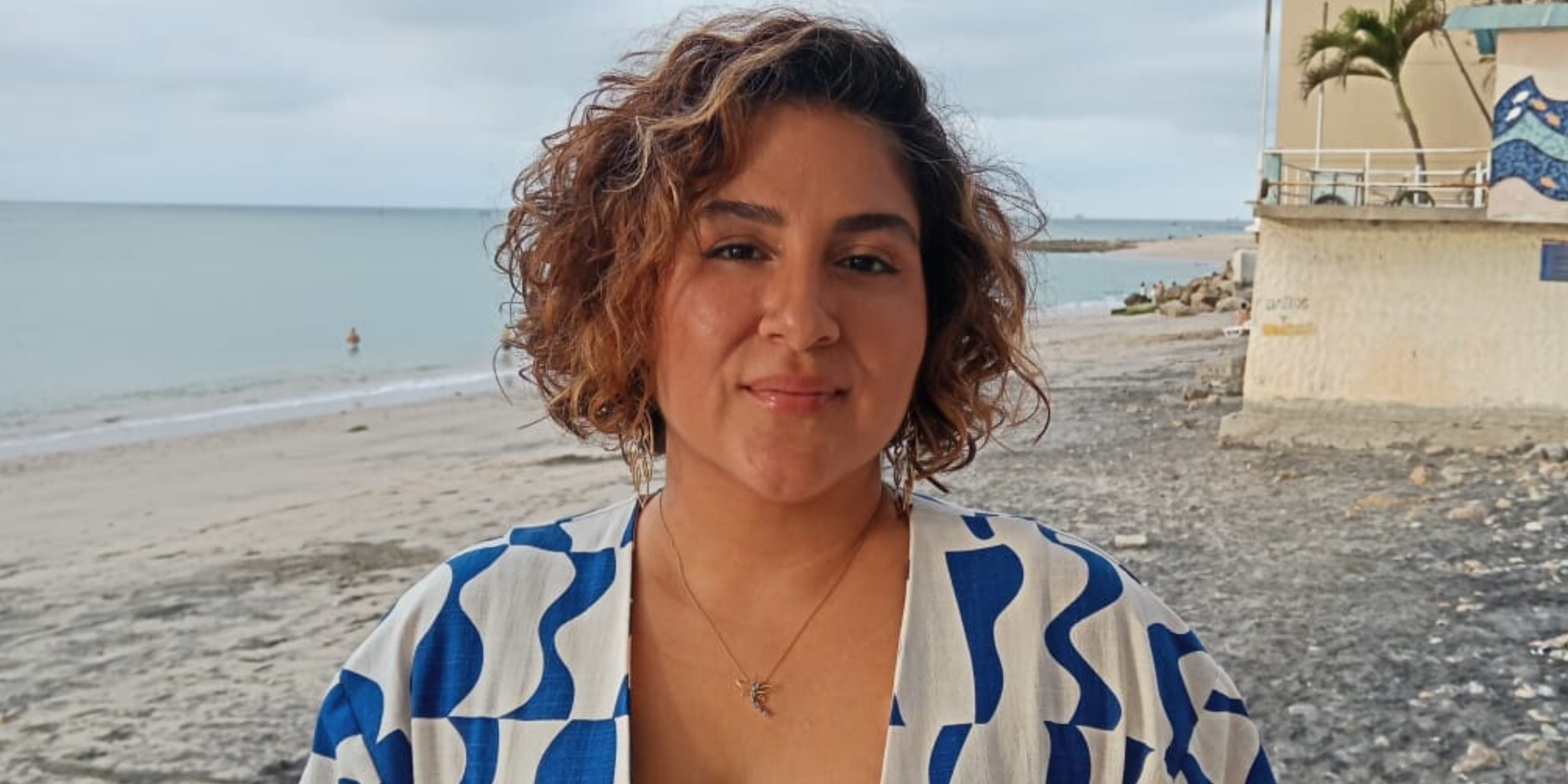
Connect with Stephanie
Instagram: @Guayacasteph
Your Turn
Reflect: What would change if you stopped searching for your purpose and started living it?
Act: Build community. Reach out to someone today. Show up. Be intentional.
WokenHeart Spotlight celebrates women building lives that feel aligned, purposeful, and free. Know someone whose story should be featured? Nominate them here.