
When Healing Becomes Community: A Conversation with Andrea Buckley
How a therapist from small-town Michigan is reimagining what it means to be held, healed, and truly seen.
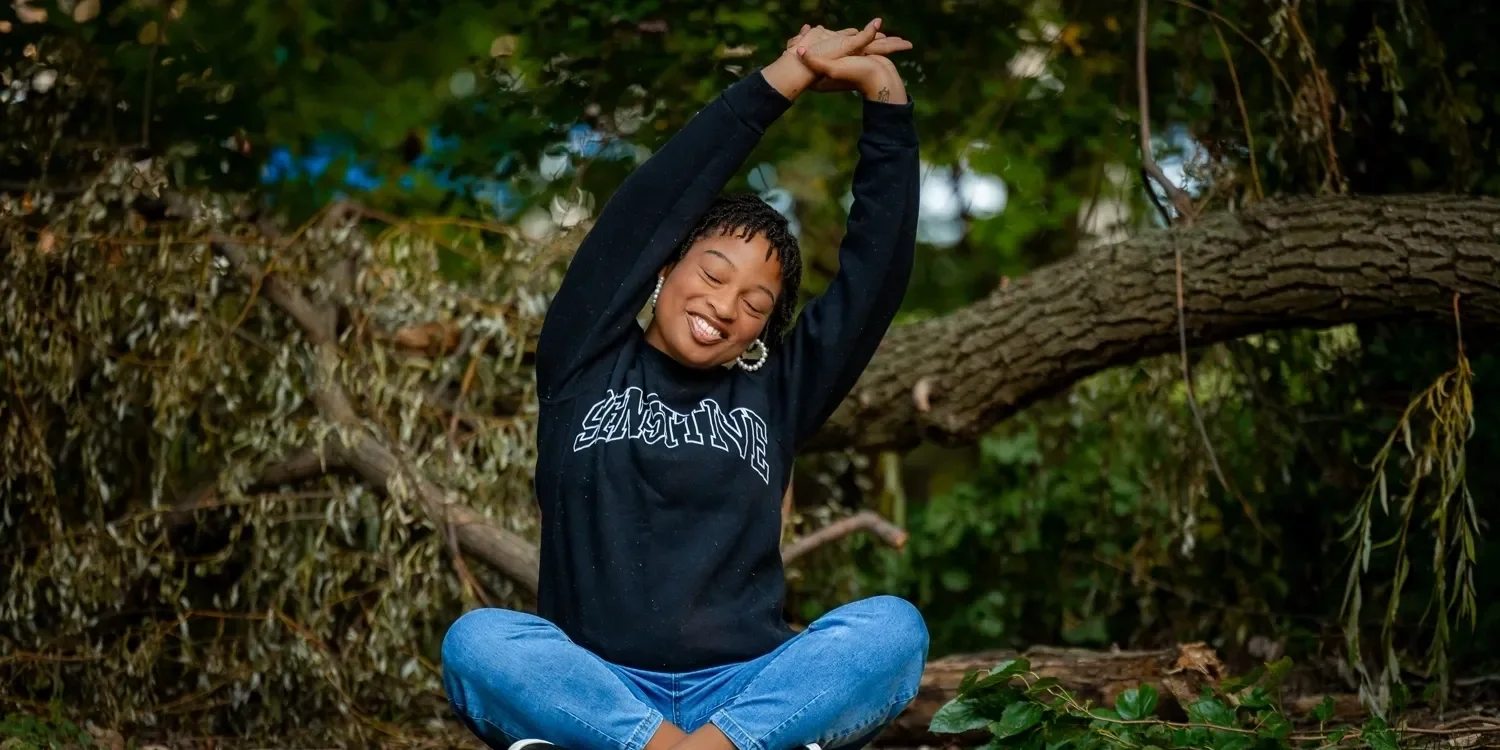
“I’m a human first. A community builder. A lover.”
That's how Andrea Buckley, LMSW, commonly known as Drea, introduces herself. Not with credentials or accomplishments, but with the essence of who she is. And in a world that constantly asks us to perform, to prove, to perfect, there's something radical about leading with your humanity.
Drea is a therapist, yes. But more than that, she's someone who understands that healing doesn't happen in isolation. It happens in the spaces between us; in the vulnerability of showing up, the courage of being seen, and the trust of letting someone else hold you when you can't hold yourself.
I met Drea through Instagram (isn't it wild how the best connections start?), and what struck me immediately was how she wasn't just talking about community and healing, she was living it. Every post, every story, every vulnerable share felt like an invitation to Come as you are. Let's figure this out together.
So when it came time to feature someone for February's spotlight, the month of love, there was no question. Drea's work sits at the intersection of self-intimacy, relational healing, and the kind of love that goes beyond romance. The love that shows up in friendship, in chosen family, and in the decision to keep showing up for yourself and others, even when it's hard.
Small Town Roots, Big Heart Energy
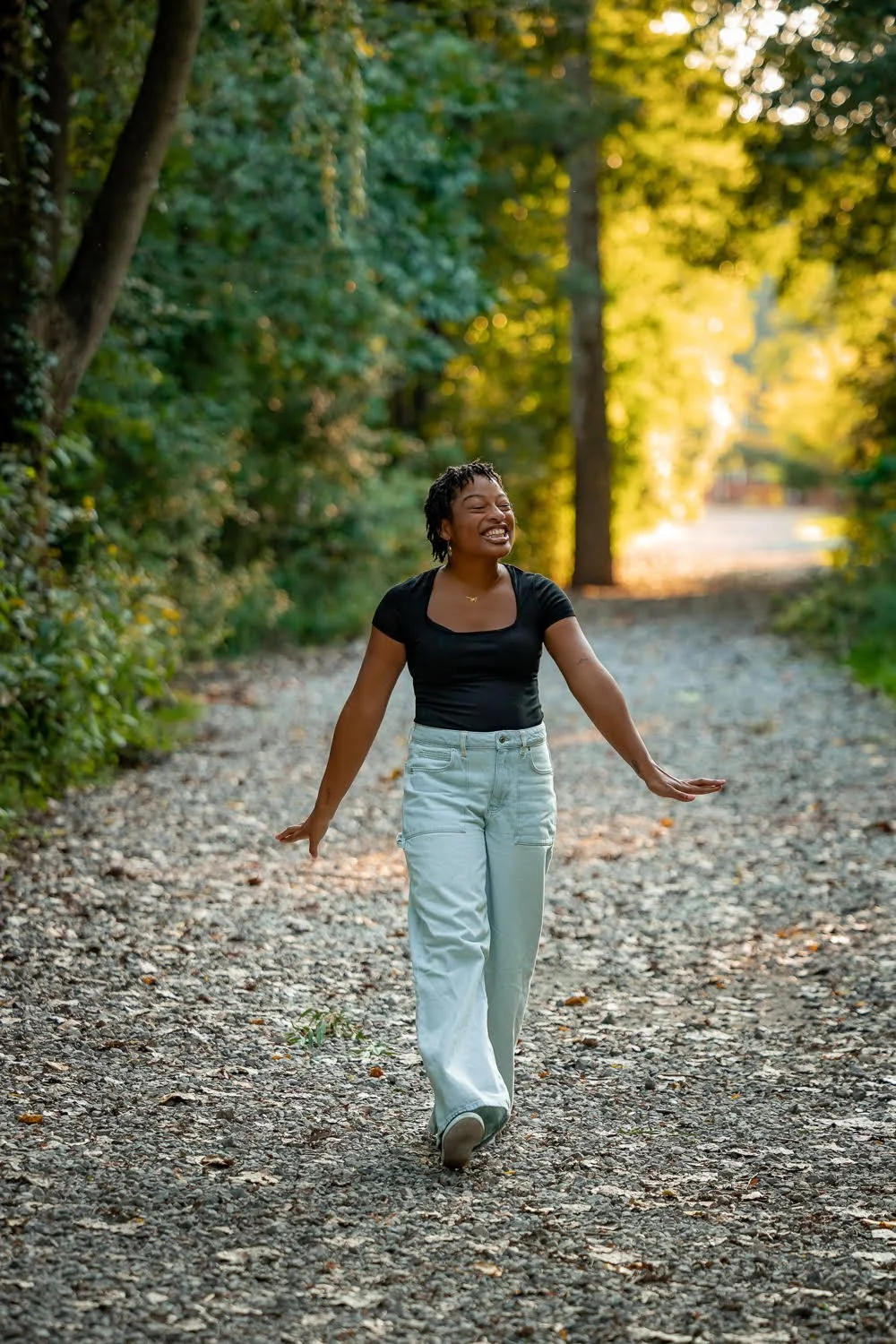
Drea grew up in Saginaw, Michigan, the kind of small town where everybody knows everybody, where neighbors look out for each other, and where the local Applebee's is a Friday night destination.
"It's a place where you have to learn to make your own fun," she told me. "Gathering for birthday parties at the skating rink. Running around with neighborhood kids. Walking to the candy store, which I now know was just the liquor store."
There's a warmth in the way she describes her childhood. Not because it was perfect (it wasn't), but because it was real.
Her mother and father raised her together until she was around 8, navigating parenthood in all its forms: married, divorced, co-parenting, single parenthood. But when Drea talks about her upbringing, she doesn't talk about a single parent or a single structure. She talks about a village. Her mother. Her dad. Her grandmothers, with their free daycare and home-cooked meals. Her stepmother. The community that surrounded her made sure she never fell through the cracks.
"I pretty much had a bunch of people raising me," she shared. "The church I grew up in felt like a big community center. A place where I went to see my friends, where we had activities. I wouldn't be the person I am without all the people who came into my life."
That experience of being held by the community and watching people show up for each other planted seeds that would eventually grow into the work she does today.
After moving throughout Michigan for school and work, Drea eventually settled on the west side of Detroit after purchasing her first home. Even in a city with entirely different energy, she gravitated toward small-town vibes. She lives in a neighborhood, knows her neighbors, still seeks out spaces that feel intimate and community-oriented.
"I'm not a big city person," she said. "Even when I travel, I feel more connected to small-town energy. Being in nature. Very community-oriented at heart."
“I've always been around community. Even though I was raised by my dad, I was raised by a bunch of people. I don't think my dad could have done it without them."
Staying Grounded While Sharing So Much
Drea shares a lot of her life online. Not in the curated, highlight-reel way, but in an honest, "this is what I'm working through" way. So I had to ask: how do you stay grounded in who you are while being so public?
"I think authenticity is just really important to me," she said. "But I'm also okay with saying, 'I have a different opinion now.' My opinion may change 10 years from now. I don't feel like I have to box myself into a certain phase of my life."
She's given herself permission to evolve. To look back at old Facebook posts and think, I don't believe that 100% anymore, and still love the version of herself who was brave enough to share it.

"I think it's about not allowing something I share to define me forever," she explained. "There are certain parts of me that have remained the same since childhood like my love for community, being silly, and being goofy. But I'm always evolving."
She also uses a beautiful analogy about what she shares versus what she keeps private:
"When I think of my house, you can come to the porch, you can come to the living room, you can be in the kitchen. Some people might think, 'Wow, that's very vulnerable.' But to me, it's more vulnerable to invite you to the basement. It's unfinished. It's cozy. And even more vulnerable? My bedroom. There are certain layers I won't share. And that's okay."
The takeaway: You don't have to share everything to be authentic. You get to decide what's for public consumption and what's sacred.
What We’re Getting Wrong About Community
If you've been online lately, you've probably seen the discourse: What even is community? Who gets to be in community? You don't know how to be in community.
There's a lot of chatter. A lot of hot takes. A lot of people are talking past each other.
So I asked Drea, 'What do you think people misunderstand about community?'
Her answer? Relational trauma.
"A lot of us have been harmed in the context of our relationships, probably starting with family. But if you want to go deeper, we can talk about all the systemic ways we've been wounded relationally. That impacts us generationally. We carry that. And it informs how we relate to other people, which makes sense that it informs how we relate to community."
She paused, then continued: "If you don't realize the wound is there, you move through life subconsciously being impacted by it. You're speaking from your wounds. You're moving in relationships from your wounds because you haven't sat with them."
This shows up everywhere—in dating advice that's really just projection, in friendships where we stay guarded, in the way we conflate "community" with "people I'm social with."
"When I think about community, I can only have community if these are people I can lean on," Drea said. "A lot of us have social groups, folks we can be social with. But when I think about community, I think about that song 'Lean on Me.' I'll be your friend. I got you."
She works with people who have family and friends, but they don't feel like they can lean on anyone. They don't feel like they can be emotionally vulnerable. You know that feeling of being in a crowded room and still feeling completely alone? That's what we're talking about.
"To me, that's what community is, Folks I feel like I can lean on. The capacity to which I can lean may vary, but it's spaces where I can be vulnerable."
"I can only have community if these are people I can lean on. A lot of us have social groups, but that's different than community."
TRY THIS: Think about the people in your life. Who can you actually lean on? Not just hang out with, but truly be vulnerable with? If that list feels short, it's not a reflection of you; it's an invitation to start building deeper connections.
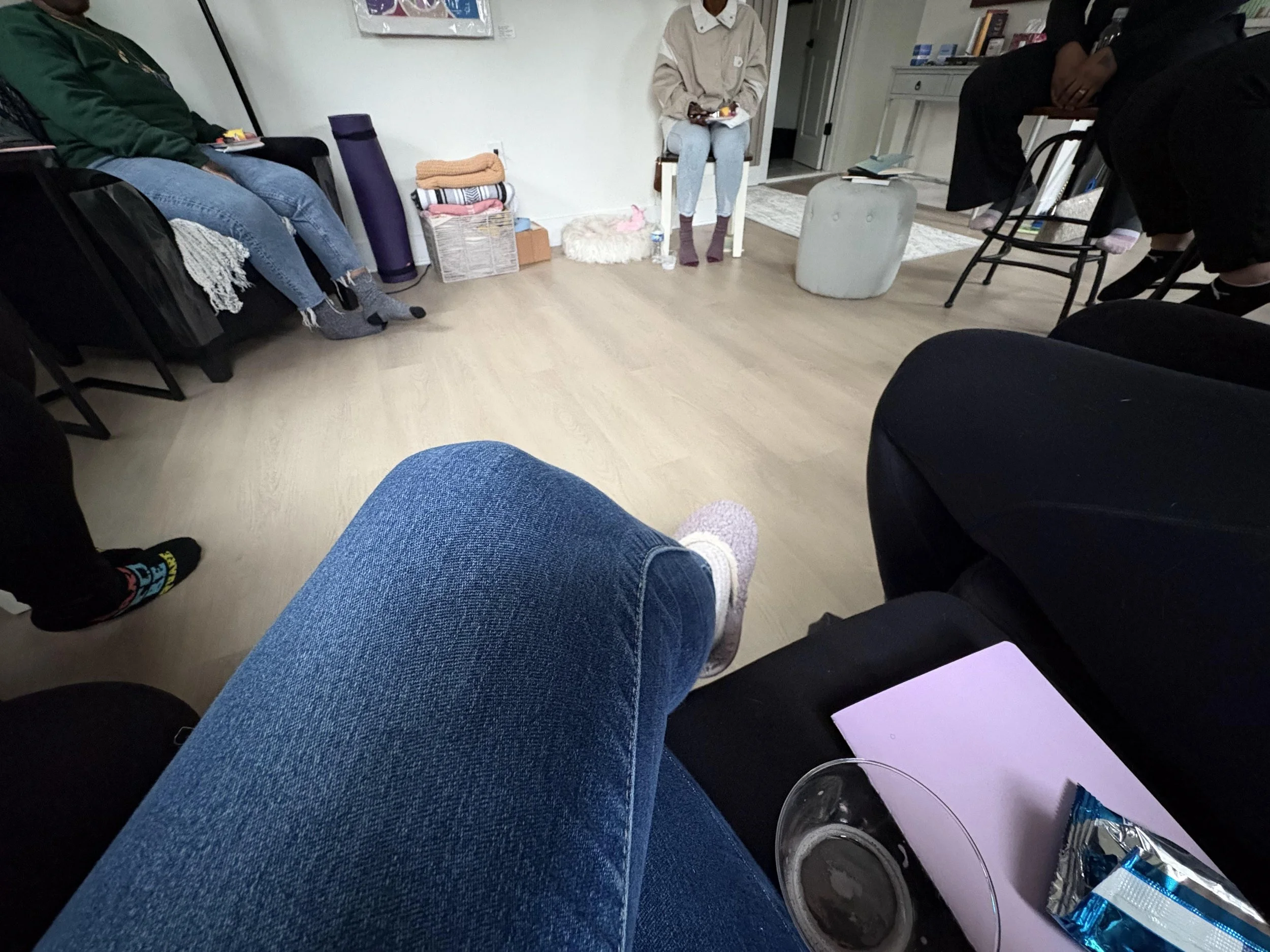
Drea opened her living room to eight strangers from the internet. They came for Courage Circle. They stayed because they finally felt held. This is community building in action.
On Friendship: The Depth We're All Craving
Drea and I spent a lot of time talking about friendship. Why, you may ask? Because it's one of the most underrated, under-discussed forms of love.
"From a young age, I always wanted that story of people who knew you from kindergarten up. People who went through the same school district with you, who were just your friends through everything," she shared. "That was the origin story I wanted. People you could be social with, hang out with, go to birthday parties with."
Most of her consistent friendships came from the neighborhood or from church. And then as she moved through college and grad school, she met people but those connections felt different.
"It was more rooted in convenience," she explained. "Like, oh yeah, we're in the same space, doing the same things. Still a good time, still people I did all-nighters with, people who took care of me in bad situations. Very fun social experiences."
But something was missing.
"At that time, I didn't really spend a lot of time telling my friends, 'Oh, I'm hurting' or 'Oh, I feel depressed.' Maybe venting on a shallow level. But I think it took a long time for me to get to a space where I could be vulnerable.”
She paused, comparing that version of herself to who she is now.
"Where I am now? My friends know. I feel very emotionally held. I don't have secrets. I'm not telling everybody my business, but I have a core group of people I can talk through things with, even the things I experience shame around. The things I wouldn't post on Facebook."
That level of vulnerability? It makes her feel seen and supported.
"To me, friendship has been people I feel like I can be naked around. People I can be my authentic self with."
The Depth Debate
I asked Drea about whether friendships can be compartmentalized, such as surface-level friends versus deep friends, or if friendship should be all-encompassing.
"That's been such a debate," she laughed. "Even going into this new year, I told myself I want to prioritize friendship. And what I mean by that is all in. I want depth."
One of her friends told her, "With you, I can go really deep. But with other people, I'm okay with my surface-level friends because it gives me a little escape."
Drea respected that. But for her? "Right now, I want more depth when it comes to my friendships. I don't want to escape around you. I want to be able to say, 'Hey, this is what's going on—good, bad, or ugly.'"
She also acknowledged the reality: "We only have so much time in the day. You get to a point where you prioritize. I'm not saying surface-level friendships are terrible or have zero benefit. But for me, right now, this is the depth I want to prioritize."
On friendship seasons:
"Friendships have seasons. I have friends in singlehood, friends embracing motherhood, and friends in divorcehood. The depth can change. That doesn't mean you throw the baby out with the bathwater. You hold grace. You remember that friendship is a relationship, and relationships have seasons."
Advice for Building Deeper Friendships
If you're struggling to access deeper connection, Drea has three pieces of advice:
Stop pretending to be unbothered.
"Admit that you need people. That you want companionship. Stop performing independence."
Evaluate your current relationships.
Maybe they're not at the level of depth you desire. Give yourself permission to name that. Grieve it. Then open yourself up to new connections."
Put yourself out there.
"People think of me as extroverted, but I'm introverted. I'm just very relational. I want to be in community. So I've had to put myself out there—go to yoga classes, craft clubs, use apps to meet people. And when you're in those spaces, you have to say, 'Hey, do you want to get coffee?' It can feel awkward. But most of the time, people are open to it."
Romantic Love: Showing Grace to Your Lover
Drea is in a relationship with her boyfriend, Benjamin (hi, Benjamin!). They met on Hinge, and their relationship has taught her a lot about what love actually looks like when you strip away the fairy tale.
"Growing up, I always wanted a boyfriend," she admitted. "I was reading romance books as a kid, thinking, 'I'm going to be a princess one day and have my prince.'"
But as time went on, she realized something: "Even though I love my partner and he has pretty much everything I desire, he's not a perfect person. He's a human. And that's a beautiful thing, to see each other's fullness and say, 'I'm going to choose you in the midst of this imperfection.'"
That's not the story she grew up on. That's not what's in popular culture or media.
"It's not a performance. It's not like you just make me feel good all the time. There's nothing wrong with having standards, boundaries, and needs. But as you journey with someone over time, they evolve. You evolve. And if I love this person and want their best interest, how do I support them along the way?"
She also shared wisdom from a video she saw: Treat your friends like your lovers, and your lovers like your friends.
"At first, I just thought, 'Oh, be romantic with your friends,'" she laughed. "But as I sat with it longer, I realized: show more grace to your lover. See them as human. Not as someone who has to be perfect."
"Before, I saw romantic love as just making me feel good. Now it's still fulfilling, but in a different way."
On Balancing Romantic Love and Friendship
One of my favorite parts of our conversation was when Drea talked about not seeing love as a hierarchy.
"One of my newer friends told me she was going through something, and I was like, 'We could have hung out!' She said, 'I thought you'd be with Benjamin.' I was like, girl, not the whole weekend. You can still reach out. I'm not in a phase where we have to be with each other all the time."
She continued: "I love my boyfriend. He's one of my favorite people to be with. But I also love my friends. You're not just random to me. I want to be in a relationship with you. You can come over, and we can all hang out. I'm building a community, not separating my life into boxes."
Even when thinking about the future—marriage and building a family—Drea wants her community to be part of that family.
"I don't want it to be separate. My friends are my lovers too, essentially. That's a radical idea in society, but it's just about putting intention and effort here, too."
Defining Love
When I asked Drea how she currently defines love, her answer was simple but profound:
"The first word that came to mind was action. I see love as an action. A choice. A decision. I'm showing up in love for myself today by eating whole foods. Or, I'm showing up in love by making a commitment to choose each other again and again each day."
But she also acknowledged the feeling side of love, such as the dopamine hits, the oxytocin from cuddling, and the passion.
"There's a love there, too. I wish we had more words to fully capture it. But ultimately, it's a choice. I'm choosing to show up in love toward you."
When I asked what message love would have for her right now, she didn't hesitate:
"Trust."
"Trusting that I'm held. Leaning into trust. And I think sometimes that involves surrender, just let things flow. That, to me, feels like love in so many ways. Love toward me, love toward my partner, love toward my friends. It feels more like, let's just flow."
Rituals, Mantras, and What Feels Like Home
Before we wrapped, I asked Drea some rapid-fire questions to get a glimpse into what grounds her:
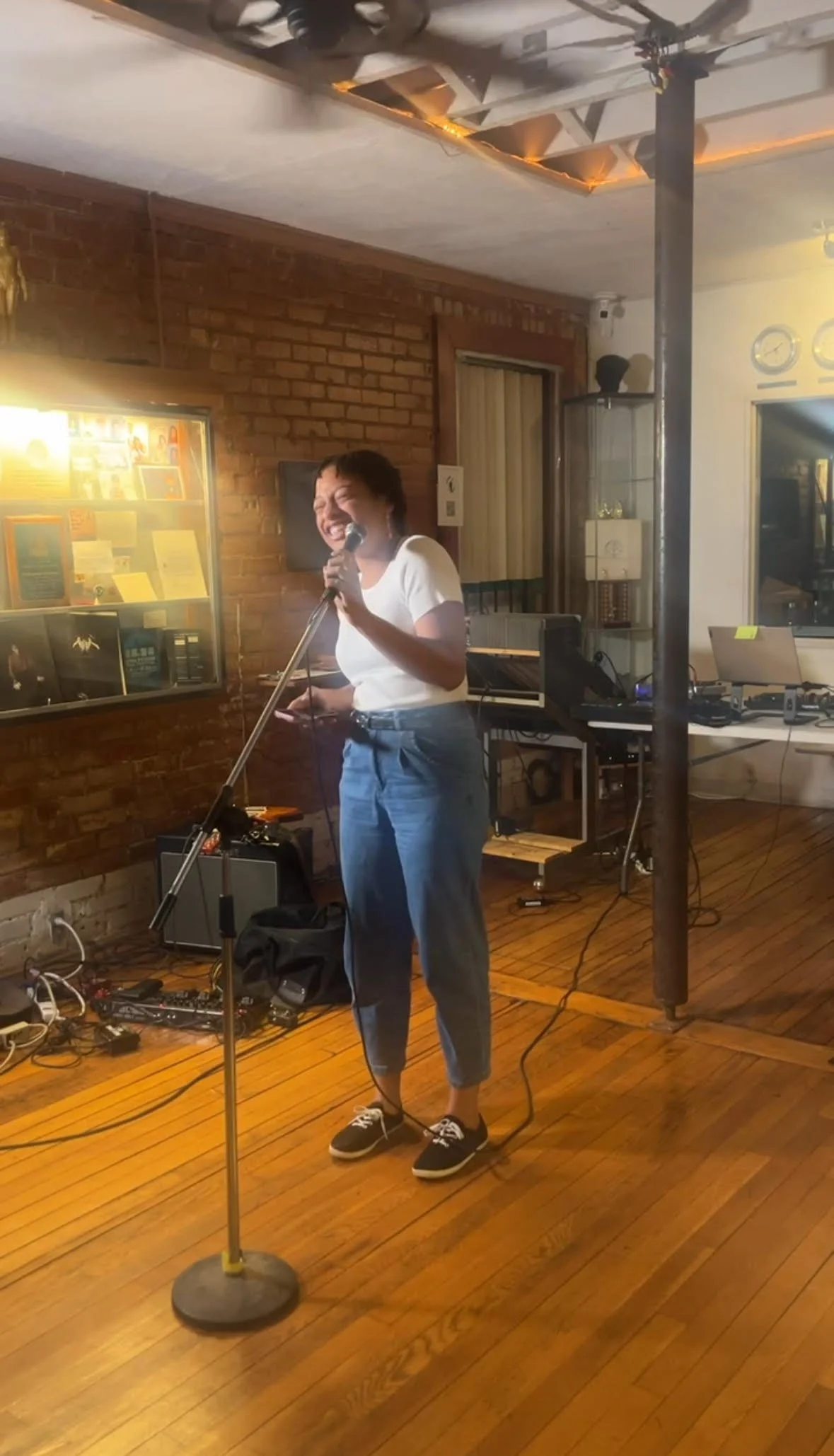
A morning ritual you never skip:
"Scraping my tongue."Something that currently feels like love in action:
"My journaling habit. Just being curious. Sitting with myself."A place you go to reset:
"The Beach, I need to be near water."A book you keep coming back to:
The Gifts of Imperfection by Brené BrownOne thing that always makes you feel more like yourself:
"My natural hair. My twists. Every time I style it like this, I feel most myself. Grounded. Confident. Embodied."A belief about love you've had to unlearn:
"That love never fails. What I mean by that is love can still exist in the context of failure. We make mistakes. People are imperfect. That allows me to accept imperfection—love toward myself, love toward others."How do you want love to feel in this next season:
"I want it to feel like pleasure. Warm and fuzzy. Like being in a space where things feel safe, so you get to take risks and explore."
Final Thoughts
Talking to Drea felt like coming home. Not because we have all the answers, but because she's willing to sit in the questions with you. She doesn't pretend healing is linear. She doesn't sell you a formula. She just shows up, fully human, fully present, fully committed to the belief that we're better together than we are alone.
Her work reminds us that healing isn't entirely a solo journey. That vulnerability isn't weakness. That community isn't just nice to have but it's essential.
And maybe most importantly, that love, whether romantic, platonic, or self-directed, is a choice we make every single day.
May her story remind you that you're allowed to need people. That it's okay to stop performing independence. That the depth you're craving in relationships? It starts with being brave enough to show up as you are and trusting that someone will meet you there.
Your Turn
Reflect: Who in your life can you actually lean on? Not just hang out with, but be fully vulnerable with?
Share: What's one thing you're learning about love, friendship, or community right now? Drop it in the comments below or hit reply. I'd love to hear from you!
Connect with Drea
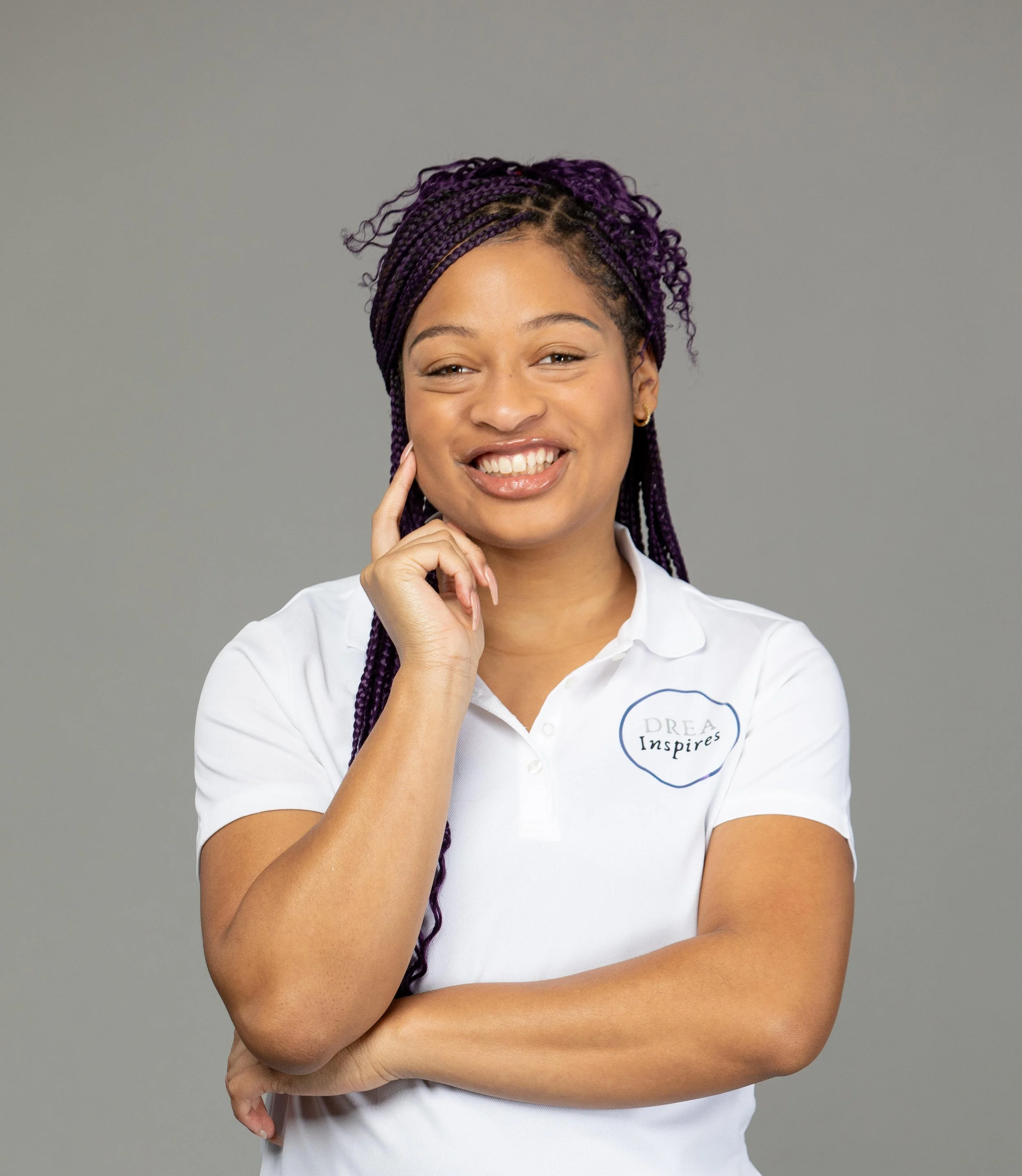
Follow along with Drea's journey:
Instagram - @drea.being
TikTok - @dreabeing
Ready to explore your own journey toward deeper connection and self-intimacy?
Substack: Sacred Rambles
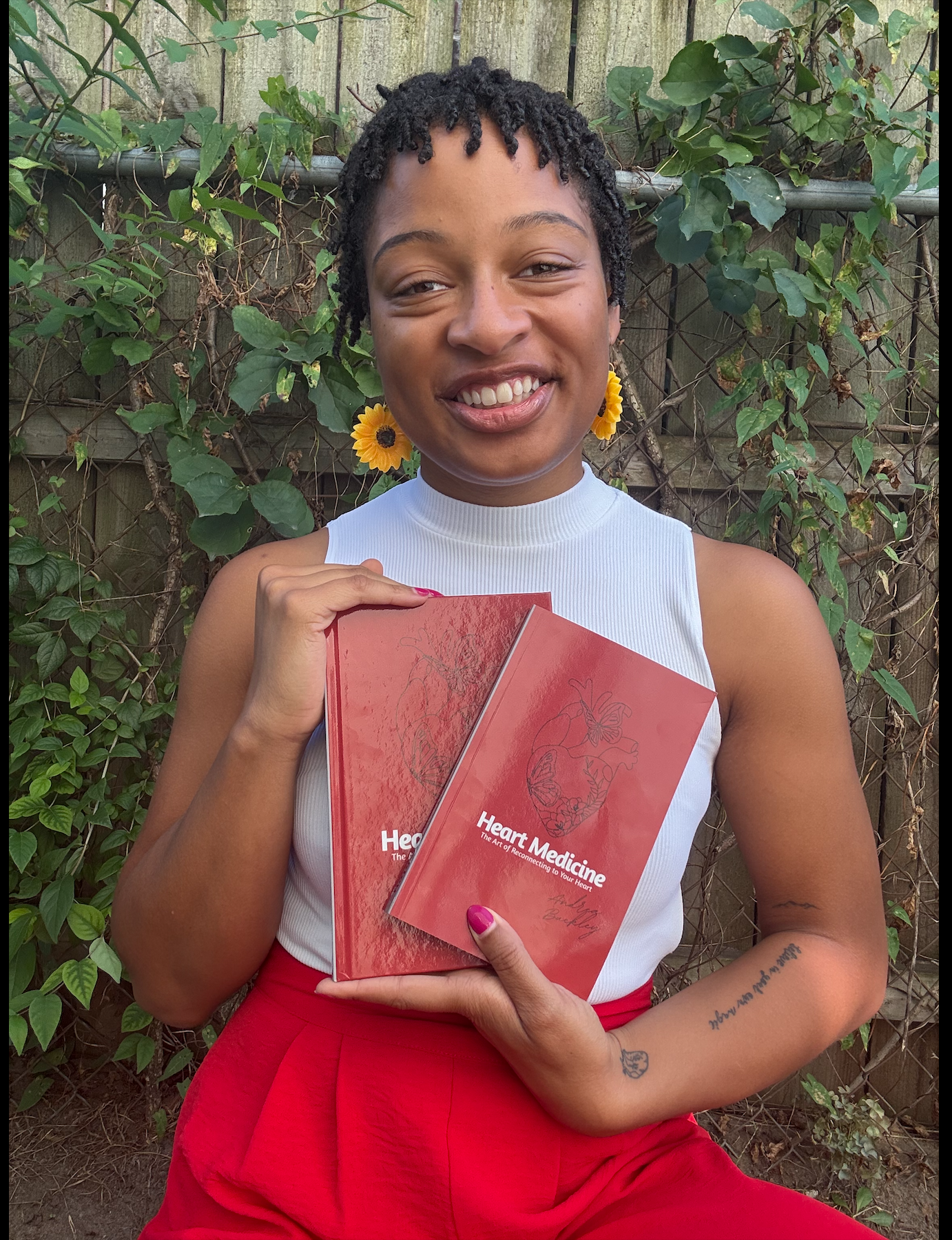
Read her book Heart Medicine: The Art of Reconnecting to Your Heart
WokenHeart Spotlight celebrates women building lives that feel aligned, purposeful, and free. Know someone whose story should be featured? Nominate them here.